The Psychology of Home Buying: Emotional Decisions
Real Estate, Home Buying Psychology
The Psychology of Home Buying: Why Buyers Fall in Love with Certain Homes
Understanding the psychology behind home buying can help you make more confident decisions, avoid buyer’s remorse, and choose a property that feels right both emotionally and financially.
Home Buying Psychology: More Than a Financial Transaction
For most individuals, purchasing a home is one of the largest financial decisions they will ever make. Yet, despite spreadsheets, mortgage calculators, and market data, Home Buying Psychology shows that decisions are rarely based on numbers alone. Instead, the process is driven by a complex mix of logic, emotion, memory, and even identity.
Psychologists describe home purchases as “identity-signaling” decisions. The home you choose is not just a shelter; it reflects who you are, how you see yourself, and how you want others to see you. This is why two buyers with similar budgets and needs can react very differently to the same property. One might see “dated fixtures,” while another sees “character and potential.”
Emotional Connection to Homes: Why Some Properties Just “Feel Right”
An Emotional Connection to Homes often forms within seconds of walking through the front door. You may not be able to explain it, but you know when a space feels welcoming, safe, or inspiring. This reaction is rooted in how our brains process environments: we quickly scan for cues of comfort, familiarity, and possibility, then translate those signals into feelings.
Familiarity: A layout similar to a childhood home, a street that resembles where you grew up, or even a particular smell can trigger positive associations and strengthen your emotional connection.
Safety and comfort: Natural light, clear sightlines, and well‑maintained spaces signal security. Your nervous system relaxes, making you more open to imagining yourself in the home.
Future vision: If you can easily picture hosting friends at the dining table or watching children play in the yard, your brain rewards you with a sense of excitement and attachment.
These emotional responses are powerful, but they can also overshadow practical concerns. Recognizing that Home Buyer Emotions are at work allows you to appreciate them without letting them fully control your decision.
The Science of Real Estate Attraction: What Makes a Home Appealing?
Real Estate Attraction is not accidental. Many of the features that draw buyers in are carefully designed or staged to appeal to common psychological preferences. While everyone is unique, several consistent patterns tend to influence attraction:
Neutral, cohesive design: Homes with neutral color schemes, uncluttered spaces, and simple decor feel easier to personalize. They act as a blank canvas onto which buyers can project their own style and life.
Good lighting: Natural light is consistently associated with well‑being. Bright, airy rooms often feel more spacious and optimistic, increasing emotional attachment.
Flow and functionality: A logical floor plan that supports daily routines creates a sense of ease. When you can walk from the entry to the kitchen to the outdoor area without obstacles, the home feels intuitive and livable.
Curb appeal: First impressions matter. A tidy exterior, healthy landscaping, and a welcoming front entry set a positive emotional tone before you even step inside.
Sellers and agents understand these principles of Home Buying Psychology and use them to present properties in the best possible light. As a buyer, being aware of these strategies helps you distinguish between genuine fit and carefully curated appeal.
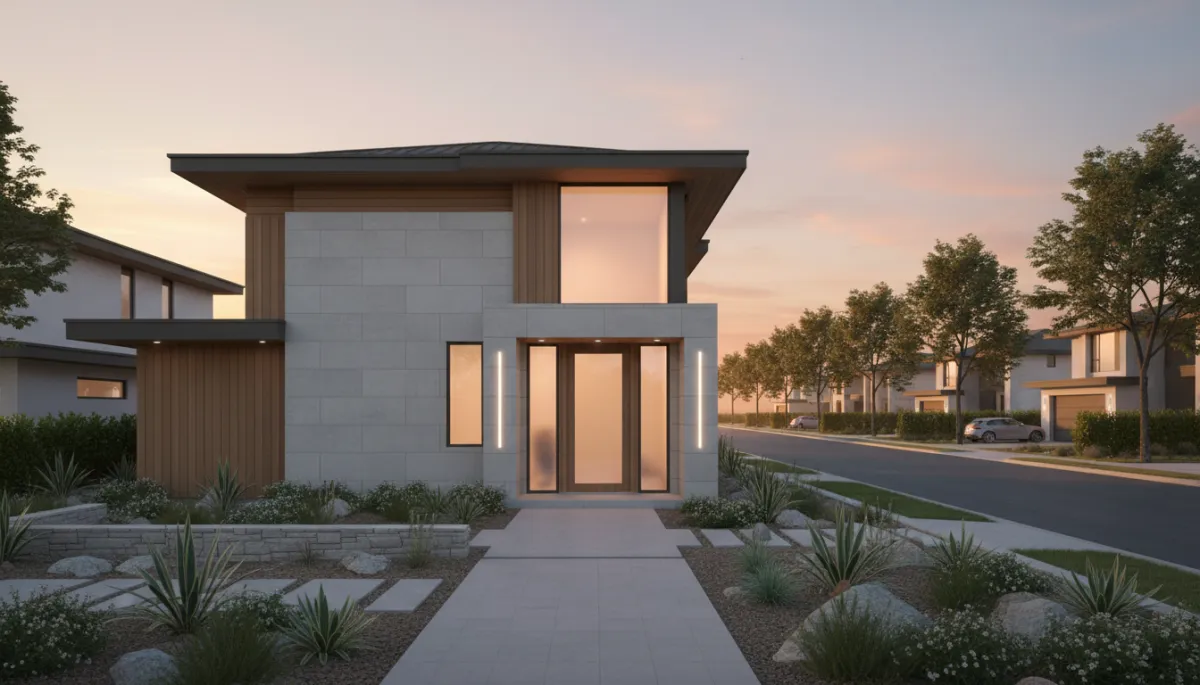
Strong curb appeal sets a positive emotional tone before a buyer enters.
Managing Home Buyer Emotions: Head and Heart Working Together
Emotions are not the enemy in home buying; they are essential. A house is where you will live your life, not just an entry on a balance sheet. The key is to let Home Buyer Emotions inform your decision without allowing them to override critical thinking. Striking this balance can protect you from overpaying, overlooking serious issues, or committing to a home that does not truly fit your lifestyle.
📌 Key Takeaway: Aim for a home that feels emotionally right and makes sense on paper. If you cannot justify the purchase logically, take a step back before moving forward.
One practical strategy is to separate viewing and decision-making. Allow yourself to experience the property fully during the showing—notice your reactions, visualize your routines, and pay attention to what excites you. Later, review the facts: price, condition, neighborhood, future resale potential, and total monthly costs. This two‑step process respects both your emotional responses and your financial responsibilities.
Buyer’s Remorse: Why It Happens and How to Avoid It
Buyer’s Remorse is common after major purchases, and homes are no exception. Once the excitement of an accepted offer fades, doubts can surface: “Did we pay too much?” “Is the commute too long?” “What if something better comes on the market next month?” These thoughts are normal, but they can be distressing if you are unprepared for them.
Several psychological factors contribute to buyer’s remorse in real estate:
Loss aversion: We feel the pain of potential loss more strongly than the pleasure of potential gain. After committing to one home, you may focus on other homes you can no longer pursue.
Decision fatigue: After weeks of searching, comparing, and negotiating, your mental energy is depleted. This can make you second‑guess whether you chose wisely.
Social comparison: Hearing about friends’ “great deals” or seeing perfectly styled homes online can cause you to question your own purchase.
To reduce the risk of buyer’s remorse, clarify your priorities before you start searching: location, budget, size, condition, and lifestyle needs. Document these criteria and use them as a checklist when evaluating homes. If the property you choose meets the priorities you set in advance, you can remind yourself later that your decision was grounded in thoughtful planning, not just emotion.
💡 Pro Tip: After your offer is accepted, stop actively browsing new listings. Constant comparison fuels doubt and makes it harder to feel satisfied with your choice.
Practical House Hunting Tips Grounded in Psychology
Integrating psychological insights into your search can lead to better outcomes. The following House Hunting Tips are designed to help you navigate emotions, stay focused, and recognize when a home is truly right for you.
Define “must‑haves” versus “nice‑to‑haves.” Before viewing any properties, rank your priorities. Non‑negotiables might include commute time, number of bedrooms, or school district. Preferences such as a fireplace or a specific countertop material can be flexible. This structure prevents you from being overly influenced by cosmetic features.
Limit the number of homes you see in one day. Viewing too many properties at once leads to mental overload and blurred impressions. Aim for a manageable number and take notes immediately after each viewing on what you liked, disliked, and how the home made you feel.
Pay attention to your body’s signals. Notice if you feel tense, rushed, or uneasy in a property, even if it looks perfect on paper. Conversely, a sense of calm and ease can be a valuable indicator of a good fit, provided the practical criteria are also met.
Visit at different times of day. A home that feels serene on a weekday morning may feel very different on a weekend evening. Observing traffic, noise, and light at various times helps you form a more realistic emotional impression.
Bring a trusted, objective companion. A friend or family member who understands your goals can offer perspective when your emotions run high. They may notice issues you overlook or remind you of your original priorities.
Making a Confident Decision: Aligning Emotion, Logic, and Lifestyle
Ultimately, successful home purchases align three elements: emotional connection, financial reality, and lifestyle fit. Understanding Home Buying Psychology gives you the tools to evaluate all three. When a property feels right, meets your core criteria, and fits your long‑term financial plan, you are far more likely to feel satisfied with your decision years down the line.
Rather than trying to suppress your feelings, acknowledge them as valuable data. Ask yourself: “What exactly do I love about this home?” If the answer is rooted in enduring qualities—location, layout, light, outdoor space—your Emotional Connection to the Home may be well founded. If it is driven mainly by staging, trendy finishes, or the pressure of competition, give yourself permission to slow down and reassess.
By combining insight into Real Estate Attraction, awareness of Home Buyer Emotions, and practical House Hunting Tips, you can navigate the process with greater clarity. The goal is not just to buy a property, but to choose a home that supports your life, reflects your values, and continues to feel like the right decision long after closing day.