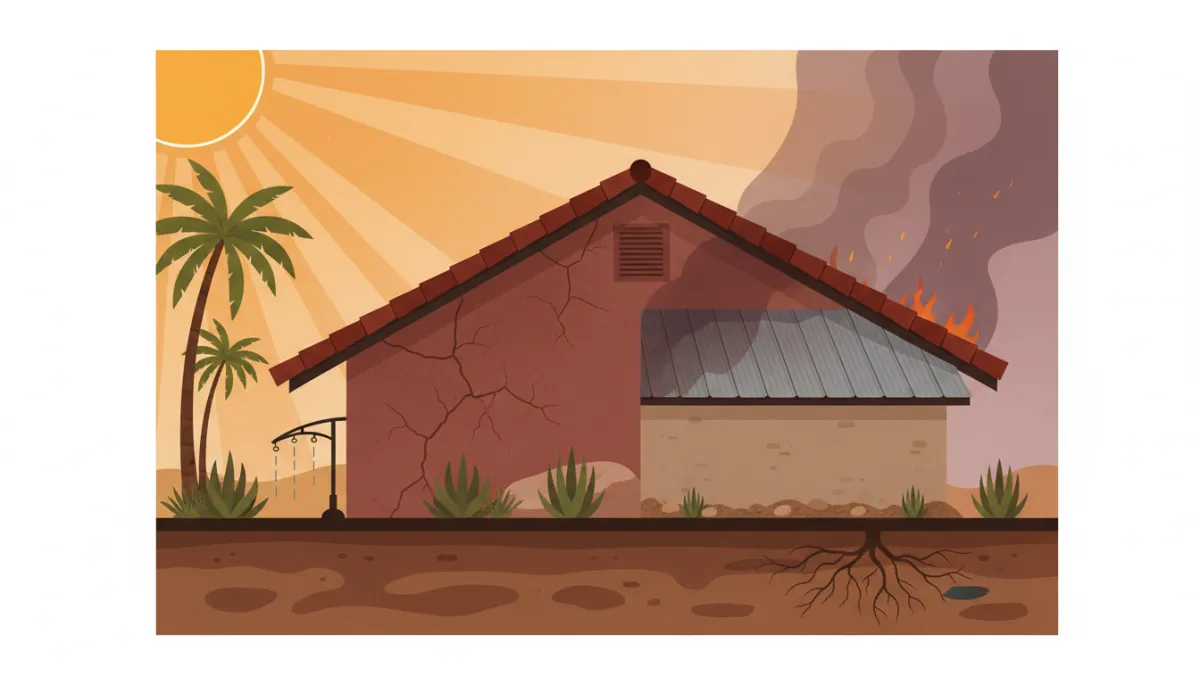
How California Climate Impacts Your Home
California Climate, Stucco Homes, Roof Materials, Landscaping Tips, UV Damage, Wildfire Safety
How California's Climate Really Affects Your Home
California’s climate is not gentle. It’s harsh, intense, and absolutely unforgiving on homes that aren’t built and maintained with intention. If you own property here and treat it like it’s in a mild, rainy suburb back east, you’re inviting cracked stucco, fried roofs, dead landscaping, and serious wildfire risk. It’s time to confront exactly how the California climate shapes your home’s health—and what you’re going to do about it.
California Climate: Beautiful, Brutal, and Non‑Negotiable
Let’s be blunt: the California Climate is a high-pressure stress test for every part of your home. Long, dry summers, relentless UV exposure, salty coastal air, sudden winter storms, and, in many regions, wildfire seasons that get more aggressive every year—this is not a casual environment. Your house either adapts, or it deteriorates. Fast.
If you want your property to hold value and stay safe, you need to think like a strategist, not a passive homeowner. That starts with understanding how each major system—stucco, roofing, irrigation, landscaping, and fire safety—stands up to the climate’s daily assault.
Stucco Homes: Tough Exterior, Vulnerable Details
California loves stucco—and for good reason. Stucco Homes handle heat better than many siding options, and they deliver that clean, timeless look buyers crave. But don’t confuse “popular” with “maintenance-free.” In this climate, stucco cracks, fades, and fails if you ignore it. Period.
Thermal expansion: Hot days and cool nights make stucco expand and contract. Hairline cracks are inevitable—but wide, unsealed cracks invite water intrusion and structural trouble.
UV damage: The sun doesn’t just fade color; it breaks down the binders in paint and coatings, leaving stucco chalky and exposed.
Wind‑driven rain: When storms finally hit, they hit hard. Water can push into tiny openings around windows, doors, and rooflines if your stucco system isn’t sealed tight.
If you’re serious about protecting stucco in the California climate, you don’t wait for big cracks. You inspect yearly, seal small fractures, and repaint with a high‑quality, UV‑resistant exterior coating every 7–10 years—or sooner if your walls take a beating from direct sun. That’s not optional; that’s the price of owning a stucco home here.
💡 Bold Move: Run your hand along sun‑exposed stucco. If it leaves a chalky residue, your coating is failing and your walls are officially on borrowed time.
Roof Materials: Your First Line of Defense, Not a Decoration
Your roof is where the California climate attacks first—and hardest. Choosing the right Roof Materials is not about style alone. It’s about heat, UV damage, wind, and, increasingly, wildfire safety. If your roof fails, everything underneath is at risk, from framing to insulation to your bank account.
Asphalt shingles: Budget‑friendly, but in extreme sun they dry, curl, and shed granules faster. Expect a shorter life span in hot inland valleys unless you buy high‑end, reflective shingles and maintain them aggressively.
Tile roofs (clay or concrete): A California classic for a reason. They handle heat well and look sharp on stucco homes, but broken tiles and loose flashing are common and must be fixed quickly to keep water out.
Metal roofs: Reflective, durable, and increasingly popular, especially in wildfire‑prone zones. They shed embers better than many alternatives when installed correctly.
Whatever material you choose, ignoring your roof is reckless. Schedule inspections at least every other year—and every year if you’re in a high‑heat or high‑wind region. Look for cracked tiles, missing shingles, damaged underlayment, and clogged gutters. In the California climate, “out of sight, out of mind” is how small roof issues turn into five‑figure repairs.
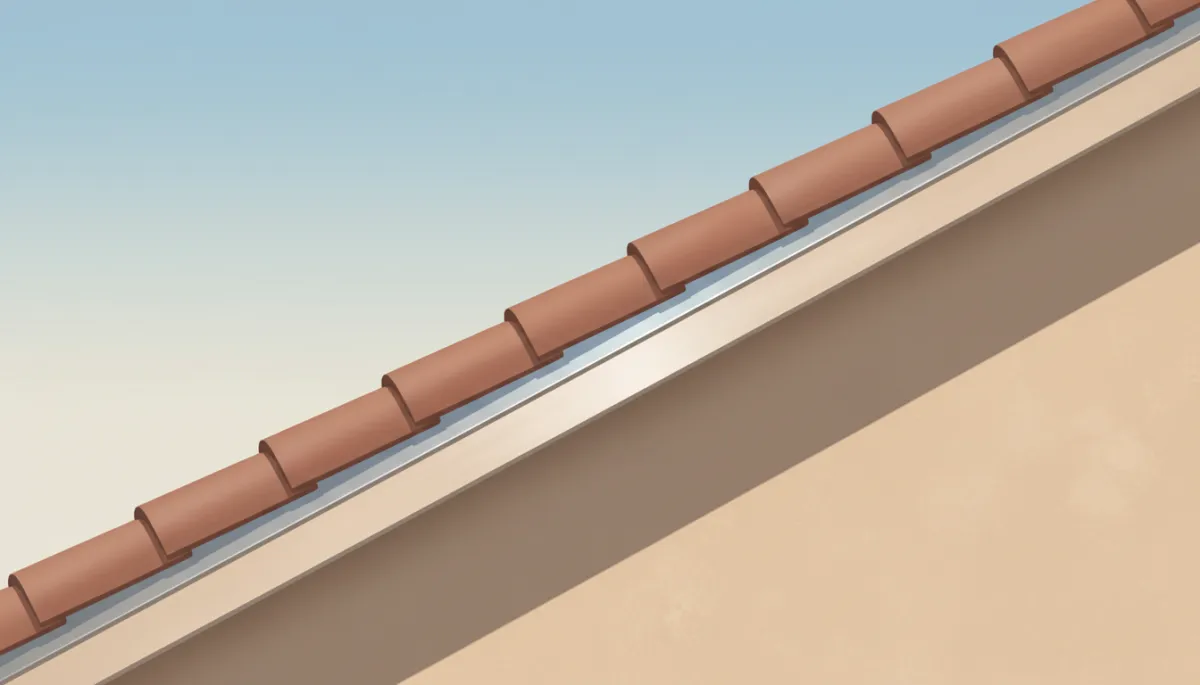
Tight roof and stucco transitions block water, heat, and ember intrusion before they become disasters.
Irrigation: Water Smart or Watch Your Yard Fail
In much of California, rainfall is a rumor for half the year. If your yard depends on nature alone, it will lose. But sloppy irrigation is just as dangerous as no irrigation at all. It can rot foundations, damage stucco, encourage pests, and waste a resource the state takes extremely seriously: water.
Keep water away from the house: Sprinklers that hit stucco walls or soak the foundation are sabotaging your home. Redirect heads and use drip irrigation near structures instead.
Use drip systems for planting beds: In a dry climate, drip irrigation delivers water exactly where roots need it, with far less evaporation and runoff.
Install smart controllers: Weather‑based irrigation controllers adjust schedules automatically based on temperature and rainfall. They’re not a luxury here—they’re a smart defense against waste and plant stress.
💡 Bold Move: Walk your yard while your irrigation runs. If you see water on walls, walkways, or pooling near the foundation, your system is working against your home, not for it.
UV Damage: The Silent Home Destroyer
Everyone talks about sunburn on skin, but the UV Damage to your home is just as relentless. UV rays bleach paint, crack plastics, dry out sealants, and weaken roofing materials. In the California climate, the sun is not a background detail—it’s a daily hazard your home has to fight.
Exterior paint and stucco coatings lose color and protective power, especially on south‑ and west‑facing walls. That’s where you’ll see fading and chalking first.
Roof shingles and membranes become brittle, which accelerates cracking and water intrusion during storms.
Window seals and trim can degrade, leading to drafts, leaks, and higher energy bills.
Your counterattack is simple but non‑negotiable: choose UV‑resistant materials, from roof coverings to exterior paints, and follow the manufacturer’s maintenance schedule aggressively. When a product says “recoat every 7 years,” don’t stretch it to 12 because it “still looks okay.” By the time you see obvious UV damage, the underlying protection has already been compromised.
Landscaping Tips: Design for Beauty, Survival, and Safety
Landscaping in California is not about fighting the climate—it’s about outsmarting it. Smart Landscaping Tips do three things at once: protect your home, cut water use, and still look sharp. If your yard demands constant watering and still looks tired by August, it’s time to rethink the entire strategy.
Go drought‑tolerant: Native and Mediterranean plants, deep‑rooted shrubs, and climate‑appropriate trees thrive with less water and bounce back faster after heat waves.
Use mulch strategically: Mulch locks moisture into soil and reduces weeds, but near the house, choose non‑combustible options like gravel in fire‑prone zones to support wildfire safety.
Create shade where it counts: Trees or pergolas on the west side can slash afternoon heat gain, easing the load on your stucco, windows, and HVAC.
The bold truth: thirsty lawns and random plantings are outdated in this climate. A deliberate, climate‑smart plan doesn’t just look better—it defends your home from heat, water restrictions, and, crucially, wildfire risk.
Wildfire Safety: Defend Your Home Before the Flames Arrive
If you live in or near the wildland–urban interface, Wildfire Safety is not optional—it’s survival. California’s fire seasons are longer, hotter, and more unpredictable. Embers can travel miles ahead of the main fire front, and they only need one weak spot in your home’s defenses to do catastrophic damage.
Create defensible space: Clear dead vegetation, dry grasses, and flammable materials within at least 30 feet of your home. This is your buffer zone, and it must be ruthless.
Choose fire‑resistant materials: Class A roof materials, well‑maintained stucco, dual‑pane tempered glass windows, and metal or fiber‑cement trim all raise your home’s odds of surviving an ember storm.
Block ember entry points: Screen vents with fine metal mesh, clean gutters regularly, and seal gaps at eaves and rooflines where embers love to lodge.
💡 Bold Move: Look at your property through an ember’s eyes. Anywhere dry debris can collect—gutters, roof valleys, decks—is a target. Clean it now, not after the next red flag warning.
Own the Climate, Don’t Let It Own Your Home
California’s beauty comes with a price: a climate that punishes weak construction, lazy maintenance, and wishful thinking. Stucco homes need vigilant crack repair and UV‑resistant coatings. Roof materials must be chosen and inspected with the climate—and wildfire risk—in mind. Irrigation has to be sharp, efficient, and nowhere near your walls. UV damage must be anticipated, not discovered too late. Landscaping tips must focus on drought tolerance and safety, not just aesthetics. And wildfire safety has to be baked into your property plan from the ground up.
The takeaway is bold and simple: in this climate, a passive homeowner loses. An informed, proactive homeowner wins—on durability, on safety, and on long‑term property value. Look at your home the way the California climate does: as a system of strengths and weaknesses. Then start reinforcing, upgrading, and maintaining with intention. The weather isn’t getting gentler. Your home needs you to get tougher.