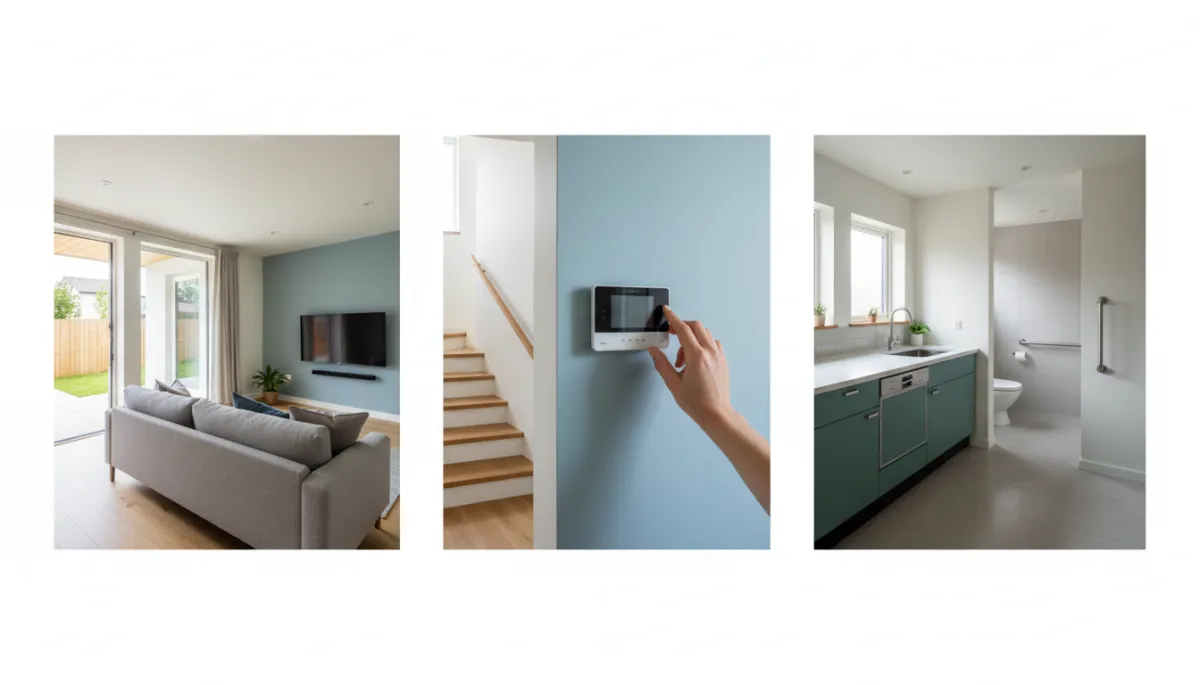
Top Home Improvements for Aging in Place
Home Improvements, Aging In Place, Accessible Design
The Best Home Improvements for Aging in Place
Thoughtful home improvements can make it safer and more comfortable to stay in the home you love as you age. By planning ahead and investing in accessible design, you can reduce risks, maintain independence, and create a living space that adapts gracefully to changing needs.
Why Plan for Aging in Place Now?
Aging in place means remaining in your own home safely, independently, and comfortably, regardless of age or ability level. For many people, this is not only a financial decision but also an emotional one. Your home holds memories, routines, and a sense of community that can be difficult to replace. Investing in targeted home improvements now can help you avoid rushed, expensive changes after a fall, illness, or mobility change.
A proactive approach allows you to phase projects over time, prioritize the most important areas, and choose finishes and fixtures that match your existing style. When done well, senior-friendly upgrades blend seamlessly into your home, enhancing both function and aesthetics rather than making the space feel clinical or institutional.
The Role of Universal Design in Aging in Place
Universal design is an approach to creating environments that are usable by all people, to the greatest extent possible, without the need for adaptation. Rather than designing specifically for “seniors” or “people with disabilities,” universal design focuses on flexibility, simplicity, and safety for everyone—children, adults, guests, and future you. This philosophy is at the heart of the most effective home improvements for aging in place.
Examples of universal design include no-step entries, lever-style door handles, and well-lit hallways. These features make life easier for someone using a walker or wheelchair, but they are also convenient when your hands are full of groceries or you are recovering from a temporary injury. By prioritizing universal design, you invest in a home that supports changing abilities over decades, not just the next few years.
Entrances and Pathways: Safe Access Starts Outside
Home safety begins before you even reach the front door. Exterior pathways, steps, and entries are common places for slips, trips, and falls, especially in poor weather or low light. Improving these areas is one of the most impactful steps you can take toward aging in place successfully.
No-step entry: Whenever possible, create at least one entrance without stairs. A gently sloped walkway or ramp with handrails on both sides is a cornerstone of accessible design and makes it easier to navigate with mobility aids or while carrying items.
Improved lighting: Motion-activated or dusk-to-dawn lighting along paths and near doors reduces shadows and helps you see uneven surfaces or obstacles clearly at night.
Non-slip surfaces: Replace loose bricks, cracked concrete, or slick tiles with stable, textured materials that offer good traction in wet or icy conditions.
Inside, widen doorways where feasible to accommodate walkers and wheelchairs, aiming for at least 32 inches of clear width. Lever-style handles on doors and locks are another simple but powerful senior-friendly upgrade; they are easier to operate for anyone with arthritis, limited grip strength, or when hands are occupied.
Bathroom Improvements for Safety and Independence
Bathrooms are among the highest-risk areas in any home, making them a top priority for aging in place improvements. Water, hard surfaces, and tight spaces create conditions where even a minor loss of balance can lead to serious injury. Thoughtful accessible design significantly reduces these risks while preserving privacy and dignity.
Curbless or low-threshold shower: Replacing a traditional tub with a walk-in shower eliminates the need to step over a high edge. Include a built-in bench, handheld showerhead, and slip-resistant flooring for added safety and comfort.
Strategic grab bars: Professionally installed grab bars near the toilet, inside the shower, and at entry points provide secure support. Modern designs coordinate with existing fixtures, so they look like intentional design elements rather than medical equipment.
Comfort-height toilet: A slightly taller toilet makes it easier to sit and stand, especially for individuals with knee, hip, or back issues. Pair it with a nearby grab bar or sturdy vanity edge for additional support.
Adequate lighting, anti-scald devices on faucets, and clear, clutter-free floor space round out a senior-friendly bathroom. When possible, ensure at least one full bathroom is located on the main level to minimize stair use as mobility changes over time.

A well-designed bathroom can dramatically reduce fall risk while preserving privacy and comfort.
Kitchen Upgrades That Support Changing Abilities
The kitchen is often the heart of the home, and it should remain usable and enjoyable as you age. Senior-friendly upgrades in this space focus on reducing bending, reaching, and heavy lifting, while improving visibility and organization. Many of these changes follow universal design principles that benefit every member of the household.
Accessible storage: Install pull-out shelves, full-extension drawers, and lazy Susans in lower cabinets so items are easy to see and reach without kneeling or stretching. Frequently used items should be stored between knee and shoulder height whenever possible.
Safer appliances: Consider a wall oven with side-swing door, an induction cooktop that reduces burn risk, and a microwave at counter height. Controls that are front-mounted, clearly labeled, and easy to read support home safety and ease of use.
Task lighting: Under-cabinet lighting and bright, glare-free fixtures over work areas improve visibility when chopping, reading labels, and cooking, which reduces the chance of accidents.
If space allows, incorporate a seated work area with knee clearance under a section of countertop. This supports meal preparation on days when standing for long periods is tiring, and it also provides an inclusive workspace for guests or family members with mobility limitations.
Flooring, Lighting, and Whole-Home Safety Enhancements
Beyond individual rooms, whole-home improvements play a critical role in aging in place. These upgrades focus on minimizing fall hazards, improving visibility, and ensuring that help is accessible if needed. Many of these changes are relatively straightforward and can be completed without major construction.
Continuous, non-slip flooring: Replace thick carpet, loose rugs, and high thresholds with smooth, slip-resistant surfaces such as low-pile carpet, luxury vinyl plank, or textured tile. Aim for consistent flooring between rooms to avoid tripping at transitions.
Layered lighting: Combine ambient, task, and accent lighting throughout the home. Install nightlights or motion-activated lights in hallways, bathrooms, and bedrooms to make nighttime movement safer and more intuitive.
Smart home safety devices: Consider interconnected smoke and carbon monoxide detectors, smart doorbells, and monitored security systems. These tools can provide peace of mind and faster response in emergencies, especially for individuals living alone.
Stairways deserve special attention. Secure handrails on both sides, high-contrast edges on steps, and adequate lighting are essential. For multi-story homes, a stair lift or planning for a future bedroom and full bathroom on the main level can be a wise long-term investment in home safety and accessibility.
Personalizing Your Aging in Place Plan
While universal design principles provide an excellent foundation, the best home improvements are tailored to your specific health, lifestyle, and priorities. Start by considering how you use each space today and how that might change in the next 5, 10, or 20 years. Do you anticipate mobility challenges? Are you caring for a partner with a chronic condition? Do you frequently host grandchildren or friends?
Consulting with a certified aging in place specialist, occupational therapist, or experienced contractor can help you translate these needs into a phased improvement plan. Together, you can prioritize projects based on safety impact, budget, and construction complexity. In many cases, small, strategic adjustments—such as better lighting, grab bars, or door hardware—can deliver significant benefits while you plan for larger renovations over time.
📌 Key Takeaway: The most successful senior-friendly upgrades feel natural, blend with your existing style, and support both current routines and future needs.
Moving Forward with Confidence
Aging in place is not just about staying in your home; it is about living well in your home. By embracing accessible design and universal design principles, you can create a space that supports independence, safety, and quality of life. From entrances and bathrooms to kitchens and hallways, each thoughtful home improvement reduces risk and enhances daily comfort.
Whether you are planning ahead for yourself, supporting a loved one, or updating a family property, approaching senior-friendly upgrades as an integrated strategy rather than a series of isolated fixes will yield the best results. Start with a clear assessment, focus on high-impact areas, and choose solutions that respect both function and style. With the right plan, your home can remain a welcoming, secure place to enjoy for many years to come.