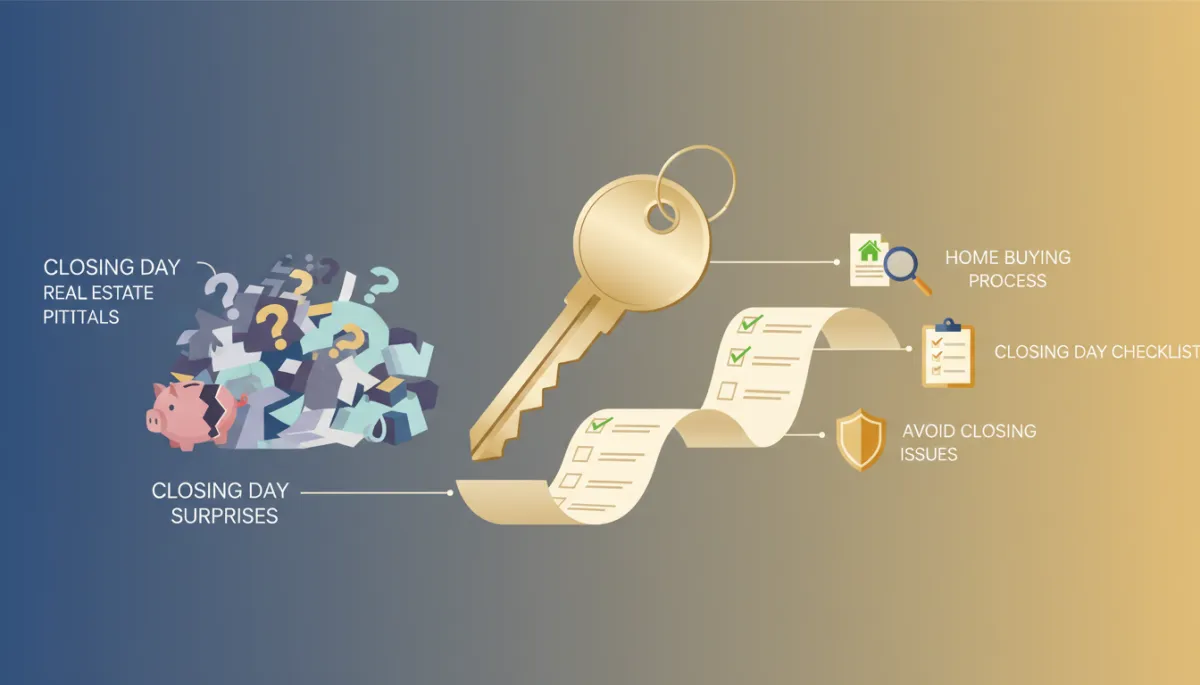
Avoid Closing Day Surprises in Home Buying
Real Estate, Home Buying, Closing Day Tips
The Biggest Closing Day Surprises—and How to Avoid Them
Closing day should feel like a celebration, not a crisis. Yet many buyers discover last‑minute problems that delay keys, add costs, or even derail the deal. This guide breaks down the most common Closing Day Surprises and offers practical Real Estate Tips, a smart Closing Day Checklist, and strategies to Avoid Closing Issues at every step of the Home Buying Process.
Why Closing Day Brings So Many Surprises
By the time you reach closing, you have already toured homes, made offers, negotiated, inspected, and secured financing. It is tempting to think the hard part is over. In reality, the Home Buying Process becomes highly technical at the end, involving lenders, title companies, attorneys, and agents all working on tight timelines. A single missing document or last‑minute discovery can trigger frustrating Closing Day Surprises if you are not prepared.
The good news: most Real Estate Pitfalls at closing are predictable. When you understand what typically goes wrong, you can plan ahead, ask better questions, and build a Closing Day Checklist that keeps your transaction on track.
1. Sticker Shock: Unexpected Closing Costs
One of the biggest Closing Day Surprises is discovering that your final cash to close is thousands of dollars higher than you expected. Buyers often focus on down payment amounts and forget about lender fees, prepaid taxes, homeowners insurance, title charges, and recording fees. When the final Closing Disclosure arrives, the total can be overwhelming if you have not budgeted for it.
How to avoid it: Ask your lender early for a detailed estimate of closing costs and revisit it whenever your rate, loan type, or closing date changes. Review the official Closing Disclosure as soon as you receive it and compare line by line with your initial Loan Estimate. If numbers jump, ask your lender and agent to explain the differences before closing day.
💡 Pro Tip: Add a 3–5% cushion of the purchase price in your budget for closing costs so small changes do not derail your plans.
2. Mortgage Mayhem: Last‑Minute Loan Problems
Another common Real Estate Pitfall is assuming loan approval is guaranteed once you receive a pre‑approval letter. Lenders often re‑verify your employment, credit, and bank balances just before funding the loan. Any major change—new debt, a job switch, large unexplained deposits, or a sudden dip in credit score—can delay or even cancel financing and create serious Closing Day Surprises.
How to avoid it: During the Home Buying Process, avoid opening new credit cards, financing cars or furniture, or changing jobs without speaking to your lender first. Respond quickly to lender requests for updated pay stubs, bank statements, or letters of explanation. Keep your finances steady and predictable from contract to closing.
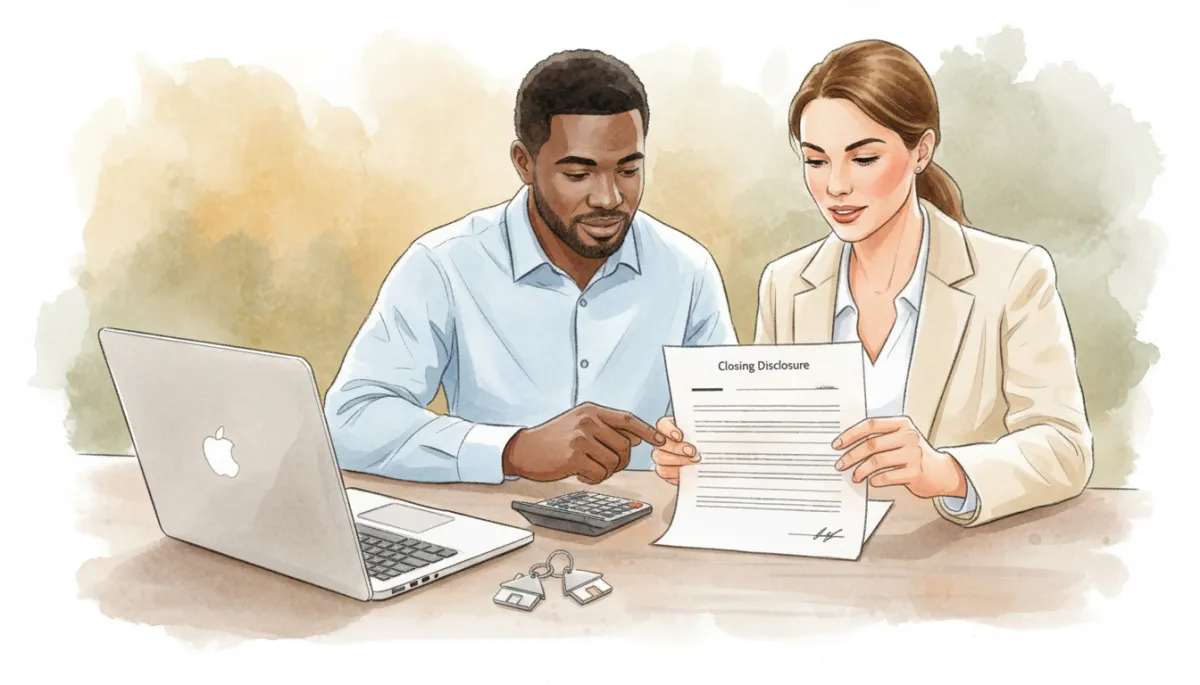
Careful review of loan documents early can prevent last‑minute funding delays.
3. Title Troubles and Unresolved Liens
Title issues are classic Closing Day Surprises because they are usually invisible until the title company digs into public records. Unpaid property taxes, contractor liens, boundary disputes, or ownership questions from previous transfers can all surface late in the process. Until these are resolved, the property cannot be transferred with clear title, potentially delaying your closing date.
How to avoid it: Order title work as early as possible in the Home Buying Process. Read the preliminary title report carefully with your agent or attorney. Ask directly whether there are any liens, easements, or exceptions that concern you. Purchasing an owner’s title insurance policy is one of the smartest Real Estate Tips for long‑term protection.
4. Repairs Not Done—or Done Poorly
After the inspection, many buyers negotiate repairs or credits. A major Closing Day Surprise happens when you show up for your final walkthrough and discover repairs unfinished, poorly completed, or done with cheaper materials than agreed. At that point, everyone is under pressure to close, and your leverage can feel limited if you did not document expectations clearly.
How to avoid it: Put every repair agreement in writing, ideally as part of a signed addendum that specifies who will do the work, what standards will be used, and whether receipts or permits are required. Schedule your final walkthrough as close to closing as possible and bring a copy of the inspection report and repair list. If repairs are incomplete, your agent can negotiate a credit, escrow holdback, or a delayed closing.
💡 Pro Tip: Take photos during the inspection and compare them to the final walkthrough to confirm that specific issues were genuinely fixed.
5. Missing Documents and Signature Snags
Real estate closings involve a stack of paperwork: loan documents, title forms, disclosures, identification, and more. A surprisingly common Real Estate Pitfall is a missing signature, an incorrect spelling, or a forgotten document such as a marriage certificate or power of attorney. These small details can cause big delays, especially if a signer is out of town or unavailable.
How to avoid it: Ask your closing agent or attorney for a list of required documents at least a week before closing. Confirm who must attend in person and whether any signatures can be completed electronically in advance. Double‑check the spelling of names on the contract, loan documents, and identification to Avoid Closing Issues tied to clerical errors.
6. Last‑Minute Walkthrough Surprises
The final walkthrough is your chance to confirm the property is in the agreed‑upon condition. Unfortunately, some buyers rush through it or skip it entirely, leading to Closing Day Surprises like missing appliances, damaged walls from move‑out, or unexpected junk left behind. Once the deal closes, many of these problems become your responsibility.
How to avoid it: Treat the walkthrough as a serious inspection, not a quick tour. Test major systems—lights, faucets, toilets, heating and cooling, and kitchen appliances. Confirm that agreed‑upon items (like the refrigerator or window treatments) are still in place. If you find issues, document them with photos and share them with your agent immediately so they can negotiate a solution before you sign.
7. Utility Hiccups and Access Problems
Few things are more frustrating than arriving at your new home after closing and discovering there is no electricity, water, or internet—or that you do not have all the keys, garage remotes, or gate codes. These may seem like minor Real Estate Pitfalls, but they can turn move‑in day into a headache.
How to avoid it: A week before closing, contact utility providers to schedule service transfers for the day you take possession. Confirm with the seller, through your agent, that all keys, fobs, mailbox keys, and security codes will be provided at closing or left in a clearly agreed location. Add utilities and access items to your personal Closing Day Checklist so they are not forgotten.
Your Essential Closing Day Checklist
To Avoid Closing Issues and minimize Closing Day Surprises, turn these Real Estate Tips into a simple checklist you can review with your agent and lender:
Review your Loan Estimate early and your Closing Disclosure as soon as it is issued; clarify any differences in costs or terms.
Confirm the exact amount of cash to close and how it must be delivered (wire transfer or cashier’s check), and verify wire instructions directly with the title company to avoid fraud.
Keep your finances stable: no major new debts, job changes, or large unexplained deposits without talking to your lender.
Read the preliminary title report and ask questions about liens, easements, or unusual restrictions; confirm you are getting appropriate title insurance coverage.
Document all inspection repairs in writing and request receipts or permits for major work such as roof, electrical, or plumbing updates.
Schedule a thorough final walkthrough as close to closing as possible, bringing your repair list and inspection report for reference.
Confirm which documents and IDs you must bring, who needs to attend, and whether any signers require a power of attorney.
Arrange utility transfers and verify access details: keys, remotes, codes, mailbox access, and any community gate information.
Turning Surprises into a Smooth Closing Experience
The biggest Closing Day Surprises usually come from assumptions: assuming costs will match early estimates, assuming repairs are complete, assuming documents are correct, or assuming everyone else is double‑checking the details for you. The most powerful Real Estate Tips are simple: stay engaged, ask questions, and give yourself enough time to review everything carefully.
A thoughtful Closing Day Checklist, a proactive approach to communication, and a clear understanding of common Real Estate Pitfalls can transform the final stretch of the Home Buying Process. Instead of scrambling to fix last‑minute problems, you will walk into the closing appointment confident, organized, and ready to celebrate getting the keys to your new home.
Buying a home will always involve many moving pieces, but closing day does not have to be chaotic. When you know what to expect and how to Avoid Closing Issues before they appear, the only surprise you will experience is how smooth and satisfying the final step can feel.